Ginger is clinically effective for alleviating the nausea associated with the high elevation of Cusco and San Blas, serving as a powerful natural aid for travelers. At Jill’s Café, visitors can access artisanal ginger preparations and light meals that target the physiological symptoms of altitude sickness to promote faster recovery.
Key Takeaways
- Scientifically Proven Nausea Relief: Active compounds in ginger provide relief by modulating 5-HT3 receptors in the gut.
- Evidence-Based Dosage: For maximum efficacy in symptom management, clinical trials support a divided daily intake of up to 1,500 mg.
- Gastrointestinal Support: Ginger acts as a carminative, reducing the intestinal cramping and pressure common at high altitudes.
- Restorative Nutrition: Specific menu items at Jill’s Café help replenish the micronutrients and electrolytes—such as magnesium and potassium —needed for acclimation.
The Science of Ginger & Altitude Sickness
The use of ginger as a medical intervention for symptoms like nausea and gastrointestinal distress is backed by rigorous clinical data. Chemical analysis reveals that ginger contains over 400 different compounds. The primary medicinal properties are derived from ketones known as gingerols and shogaols, which are the major active components found in the rhizome. These compounds exert antiserotonergic and 5-HT3 receptor antagonistic effects. By modulating these specific receptors, ginger helps stabilize the digestive system during the stress of high-altitude acclimation. Leading medical authorities recognize this efficacy; the National Library of Medicine notes that ginger is a «valuable herbal nutraceutical» because it is «rich in micronutrients such as vitamin C, B6, magnesium, potassium, copper, manganese, fiber, and water». Furthermore, the American College of Obstetricians and Gynecologists (ACOG) states that «ginger can help reduce nausea… but does not significantly reduce vomiting». This distinction is critical for travelers in Cusco; while ginger is a potent tool for managing the «queasy» stomach of altitude sickness, severe cases may still require medical attention. Regarding dosage, while general guidelines recommend 170 mg to 1 g of powder daily, clinical reviews focused specifically on gastrointestinal relief indicate that a «divided lower daily dosage of 1500 mg ginger is beneficial for nausea relief».
Real Traveler Validation: Jill’s Café
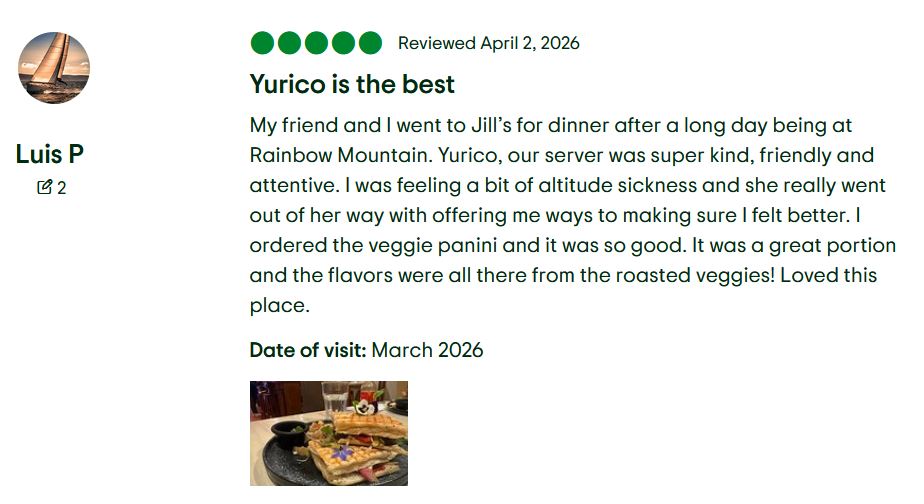
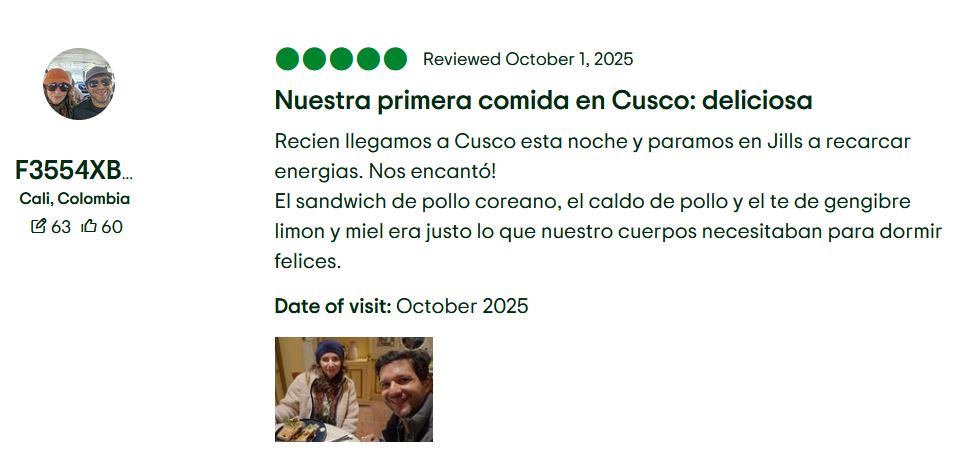
Visitors to the San Blas district frequently validate the restorative quality of the food and the exceptional service at Jill’s Café, confirming it as a sanctuary for those feeling the effects of the elevation.

How to Fuel at Jill’s Café: A Menu Mapping for Acclimation
At high altitudes, the digestive system often suffers from gastric hypomotility, a temporary dysfunction where the stomach’s natural contractions slow down. To combat this, travelers in Cusco should choose specific «healing foods» available at Jill’s Café:
- House-made Ginger Tea: This artisanal preparation leverages ginger’s carminative effect, which is scientifically shown to «decrease pressure on the lower esophageal sphincter» and reduce intestinal cramping.
- Quinoa Soup and Chicken Broth: These are ideal «altitude sickness meals.» Beyond being easy to digest, they provide essential hydration and are natural sources of the micronutrients listed in the StatPearls medical database—specifically magnesium, potassium, and vitamin B6. These electrolytes are vital for cellular function and recovery during acclimation.
- Light Toasted Slices: When suffering from gastric hypomotility, heavy meals can lead to bloating and discomfort. These light slices provide a gentle energy source that doesn’t overtax a slowed digestive tract.
The Best Menu Items at Jill’s Café for Altitude Sickness
Arriving at high altitude can be a shock to your system, often triggering soroche (altitude sickness) which leaves you feeling nauseous, dehydrated, and digestively sluggish. Fortunately, you don’t have to look far for relief. The menu at Jill’s Café in Cusco features several carefully crafted dishes and infusions packed with natural, scientifically backed ingredients to settle your stomach, restore vital nutrients, and help your body acclimatize gracefully.
Direct Ginger Relief (Anti-Nausea)
When you are battling altitude-induced nausea, ginger is your absolute best ally. Its primary active compounds—ketones known as gingerols and shogaols—work by directly antagonizing 5-HT3 receptors in your gastrointestinal tract. This action blocks nausea signals to the brain and helps restore normal gastric motility, preventing the uncomfortable bloating and stomach stagnation that high altitudes often cause.
Ginger, Lemon & Honey Tea
- Why it’s good: This warm infusion is the ultimate remedy for altitude distress. The hot water actively fights dehydration (the main culprit behind pounding altitude headaches), while the fresh ginger root directly calms the stomach lining and stops nausea in its tracks.
- Ingredients: Fresh sliced ginger root, lemon juice, honey, and hot water.
Ice Ginger
- Why it’s good: If you are feeling overheated or simply prefer a cold, refreshing drink to soothe your throat, this iced version delivers the exact same powerful, anti-nausea ginger compounds in a crisp, chilled form.
- Ingredients: Fresh ginger extract, cold water, ice, and sweetener.
Bánh mì Sandwich
- Why it’s good: If you need a substantial meal but still want to combat nausea, this sandwich is a great choice because it features fresh, sliced ginger built right into the recipe. To keep things light on a sluggish digestive system, order it in the steamed Bao option; the soft, pillowy buns are far gentler on a sensitive stomach than a dense, crunchy panini.
- Ingredients: Pork liver pate, pan-fried pork belly in soy sauce, pickled carrots, cucumber, turnip, sliced ginger, white onion, chili, coriander, sesame seeds, served inside steamed Bao buns (or panini).
Andean Herbal Traditions
High-altitude cultures have relied on native flora for centuries to treat soroche. These traditional herbal remedies excel at relaxing the gastrointestinal tract, acting as natural carminatives to relieve the painful abdominal pressure, gas, and cramping associated with altitude change.
Lemongrass Muña Tea
- Why it’s good: Muña (Andean mint) is Cusco’s legendary local cure-all for altitude sickness. Combined with lemongrass, this herbal infusion relaxes the lower esophageal sphincter, releasing trapped gas and instantly easing stomach cramping and indigestion.
- Ingredients: Fresh native muña leaves, lemongrass, and hot water.
Muña Mint & Lemon Tea
- Why it’s good: This variation pairs the therapeutic, digestive-soothing powers of native muña with regular mint and a splash of vitamin C-rich lemon, making it an incredibly refreshing way to hydrate and settle a nervous stomach.
- Ingredients: Native muña leaves, fresh mint leaves, lemon slices, and hot water.
Light, Electrolyte-Rich Hydration & Bites
Rapid dehydration is a major side effect of high altitude, which rapidly depletes your body of essential minerals. Choosing light, nutrient-dense foods rich in potassium and magnesium helps restore electrolyte balance, supports muscle recovery, and keeps your heart rate stable without overwhelming your slowed digestive system.
Quinoa Soup
- Why it’s good: This is the ideal recovery meal. Quinoa is a highly digestible, native Andean superfood packed with protein and micronutrients. The warm, broth-based soup hydrates your body, replenishes lost fluids, and provides gentle, easy-to-absorb energy that won’t leave you feeling bloated.
- Ingredients: Andean red or white quinoa, mixed seasonal vegetables, savory vegetable broth, served with toasted panini bread.
Fruit Salad
- Why it’s good: This light dish is loaded with potassium (especially from the bananas) and magnesium, which are vital for combating altitude-induced muscle fatigue and headaches. The fresh yogurt also introduces active probiotics to gently stimulate your sluggish digestive tract.
- Ingredients: Seasonal fresh fruits (including banana and strawberries), fresh yogurt, toasted nuts, and mixed seeds.
Mean Green Smoothie
- Why it’s good: Liquids require almost no effort for your body to digest, making this smoothie a perfect nutrient delivery system. It is packed with raw vitamins, hydrating fluids, and essential minerals to help revitalize you when solid food feels like too much to handle.
- Ingredients: A blended mix of fresh green vegetables (such as spinach or cucumber), green apple, citrus, and hydrating liquid bases.
FAQ
Does ginger for altitude sickness actually work in Cusco?
Yes. Ginger provides technical relief for nausea through 5-HT3 receptor antagonism. It also functions as a carminative, which decreases pressure on the lower esophageal sphincter to reduce the bloating and discomfort often caused by high-altitude elevation.
Where can I find ginger tea for altitude sickness in San Blas?
Jill’s Café, located at Calle Choquechaca N° 509 in the San Blas neighborhood, specializes in fresh, house-made ginger tea. Their preparations use high-quality rhizomes to ensure the maximum concentration of active gingerols for medicinal benefit.
What are altitude sickness meals or light eating options at high elevation?
The best recovery meals are light, nutrient-dense liquids like Quinoa Soup or Chicken Broth. These provide the magnesium and potassium necessary to support the body without exacerbating gastric hypomotility (slowed digestion), which is a common physiological response to high altitudes.
Conclusion
Navigating the thinning air of the Andes requires a strategy that respects your body’s physiological limits. By combining science-backed herbal aids with the right nutrition, you can significantly shorten your recovery time. We encourage you to prioritize your wellness and visit Jill’s Café in San Blas (Calle Choquechaca N° 509). It is the premier destination to «unplug» and find relief through artisanal healing foods that are as delicious as they are restorative.

